VEGA HR · management systems by QUIDNI

A department should not dependon one strong manager.

A system removes the dependence on memory, heroic effort and constant intervention. I show you how to build one for hiring and for the daily work of a department.

Put the effort into the flywheel first. Then keep it moving with small, deliberate corrections.

01 · Built for managers accountable for people
02 · Decisions become visible rules
03 · Work keeps moving without heroic effort

The cost of running everything by hand

When there is no system, experience becomes the bottleneck.

The problem is not that a manager cares too much. The problem is that the reasoning, boundaries and feedback loops still live in one person’s head.

01

Decisions keep returning

The team waits for priorities, approvals and exceptions because authority has no visible boundary.

02

Hiring depends on personal feel

A strong manager can choose well, but colleagues cannot repeat or review the decision.

03

Commitments outrun capacity

New work enters faster than trade-offs are made, so overload is discovered after promises are broken.

04

Every failure creates more control

The manager adds checks instead of changing the rule, interface or cause that produced the failure.

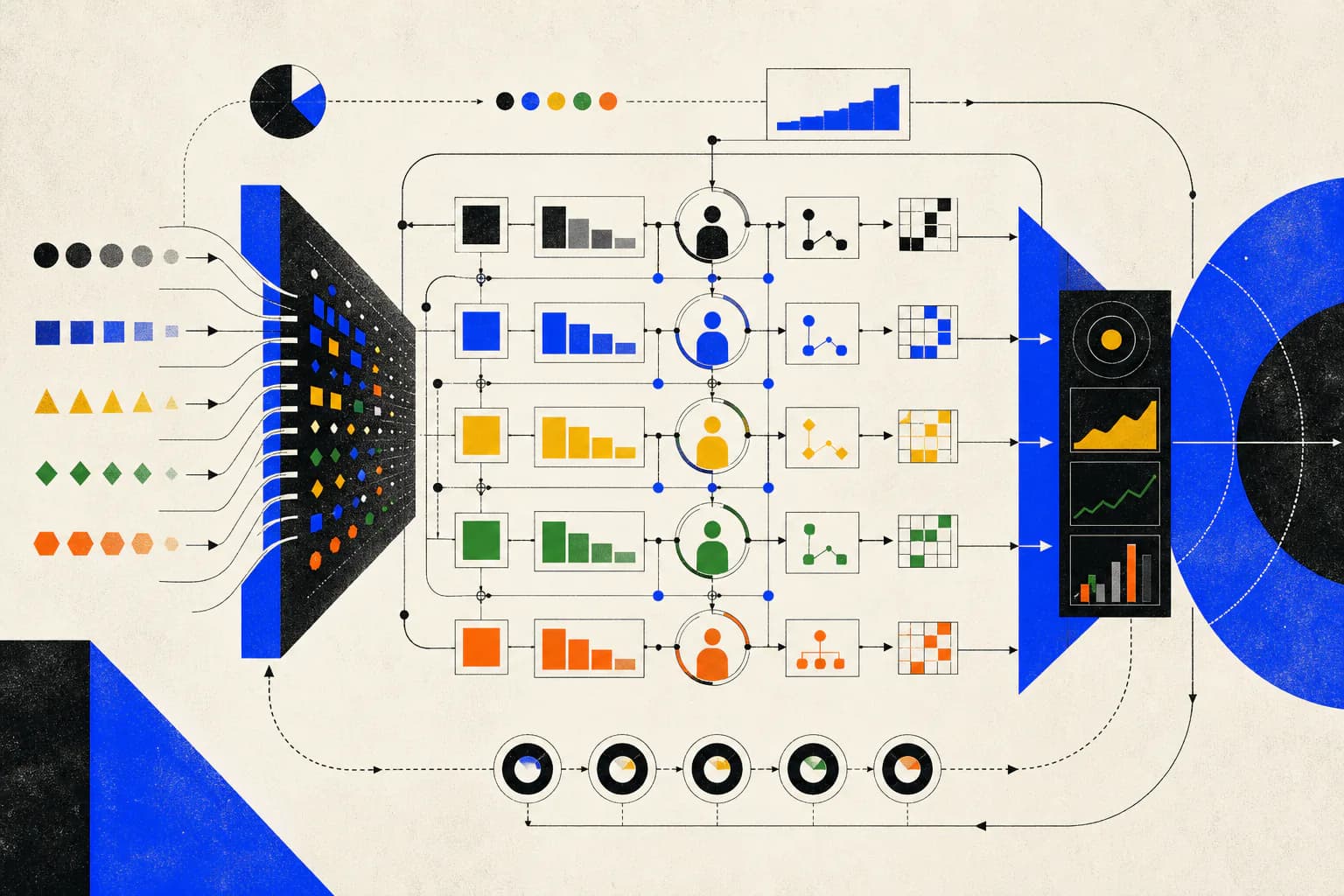
From effort to momentum

Build the flywheel once. Keep tuning it as the work changes.

The initial effort is real: diagnose the work, make decisions explicit and connect them into a cadence. Once the flywheel is moving, the manager still owns the system but no longer has to drive every step by hand.

THE SYSTEM DELIVERS THE RESULT

Course catalogue

Two courses for the two places where dependency usually begins.

Start with the decision to bring a person into the system, or with the system that turns a group of people into a working department.

A structured interview based on observable evidence
01 · Frontline hiringCurrently unavailable

Systematic Frontline Hiring

A practical course for managers who need a repeatable, evidence-based hiring system.

Build a repeatable line from the decision to open a role to onboarding and the review of hiring quality.

ForManagers accountable for people, deadlines and team capacity. No HR qualification required.
$299Lifetime access

You leave with

  • +A role profile based on real work
  • +Competency screening, technical minimum and a work sample
  • +A traceable decision record and 30/60/90 onboarding plan
A department running as a connected operating system
02 · Department leadershipCurrently unavailable

Lead Without Becoming the Bottleneck

How to Build a Department That Runs as a System in 90 Days

Connect priorities, metrics, ownership, workflow, capacity, delegation and feedback so the department does not wait for your next intervention.

ForNew and working managers whose team still returns every priority, exception and difficult decision to them.
$299Lifetime access

You leave with

  • +A department diagnosis and operating model
  • +A visible flow of work, cadence and capacity view
  • +A 90-day implementation plan with owners, milestones and review rules

The VEGA HR learning standard

The course ends with operating infrastructure, not notes.

Each major assignment becomes a decision record, rule, procedure or model you can use with your team. The method makes your reasoning visible before you check it against the rubric.

Decisions distributed across owners and clear routes
01

Make the decision

Build your first answer from the evidence, then check it against the rubric.

02

Stress-test it

Process absence, overload, hidden dependencies and conflicting commitments.

03

Install the result

Revise the artifact, explain the trade-off and connect it to the rest of the system.

Portrait of Max Butakov, creator of the VEGA HR courses

Created by Max Butakov

I built systems for work whose consequences I had to own.

I ran more than 200 interview cycles as the hiring manager. The number alone does not prove hiring quality, so the more important evidence is what followed: I hired and onboarded 50+ specialists and stayed accountable for how those decisions worked out. Part of the team I built without a recruiter or HR stayed with me the longest. The people I hired stayed for more than three years on average. For six years I led the technology function of a 100+ person architectural bureau across four offices. Today I am building QUIDNI and turning that management practice into reusable systems.

  • +Former CTO and founder of QUIDNI
  • +Accountable for people, deadlines and operating capacity
  • +Methods built from management practice, then made explicit and reusable
200+interview cycles; volume alone does not prove quality
50+specialists hired and onboarded; part of the team was built without recruiter or HR
3+ yearsaverage tenure of the people I hired
6 yearsleading the technology function
100+employees in the business the function supported
4 officesconnected through one operating environment

Questions before you choose

A clear fit matters more than a persuasive promise.

Are these courses for managers or HR professionals?
They are designed first for managers who own people, deadlines and team capacity. The hiring system can also become a shared working language with a recruiter or HRBP.
What remains after the course?
You leave with connected working artifacts for your own role or department: decision records, criteria, procedures, operating rules and an implementation plan. The exact set is listed on each course page.
Do I need to take both courses?
No. Each course stands on its own. Start with the point where personal dependency is currently most expensive: choosing people or running the department.
Is the leadership course available now?
Currently unavailable
What language and price are available?
This English catalogue lists each course at $299 with lifetime access. The Russian catalogue is a separate localized edition priced at 24,900 RUB.

VEGA HR BY QUIDNI

Build the systemthat keeps delivering without your constant intervention.

Choose where to apply the effort now: build repeatable hiring or give your department a dependable rhythm of work, decisions and results.